
Running a Shopify store means making dozens of decisions every week: which products to promote, what discounts to offer, how to win back customers who haven't bought in a while. For a long time, most of those decisions came down to gut feel and guesswork. That's changing fast, and AI is the reason why.
Today's AI-powered tools don't just automate tasks. They surface insights, predict customer behavior, and help you run smarter promotions without spending more on ads. Here's a look at the strategies that actually move the needle, what the world's biggest brands have already figured out, and how Shopify merchants can apply the same thinking at their own scale.
Why Generic Discounts Are Leaving Money on the Table
A flat 10% off sitewide feels safe, but it's one of the least efficient promotions you can run. You're discounting to customers who would have bought anyway, training your audience to wait for sales, and eroding your margins without necessarily earning loyalty in return.
Amazon learned this lesson early. Instead of blanket discounts, they use dynamic pricing algorithms that adjust prices thousands of times per day based on demand, competitor pricing, inventory levels, and browsing behavior. The result is that every customer sees a price that reflects their moment in time, not a one-size-fits-all markdown.
Shopify merchants obviously can't build that infrastructure from scratch, but AI tools are making that kind of intelligence increasingly accessible. The key is knowing which strategies to focus on.
Strategy 1: Flash Sales with AI-Driven Timing
Flash sales work best when they hit customers at exactly the right moment. The problem is that most stores pick dates based on gut feel or the calendar. AI changes this by analyzing when your specific customers are most likely to buy, which segments respond best to urgency, and which products have the most latent demand at any given time.
Nike is a good example here. Their app uses purchase history and browsing data to send personalized flash sale notifications to members before opening them to the general public. The exclusivity drives urgency, and the personalization makes it feel relevant rather than spammy. Members who get an early access window for shoes in their size and style convert at dramatically higher rates than a generic email blast would produce.
For Shopify stores, the takeaway is that timing and targeting matter as much as the discount itself. A 20% off email sent to the right segment at the right moment will outperform a 40% off campaign sent to everyone.
Strategy 2: Tiered Discounts That Increase Average Order Value
Tiered discounts (spend $50 to get 10% off, spend $100 to get 20% off) are one of the most effective ways to lift average order value without simply cutting prices. The psychology is straightforward: customers feel rewarded for spending more, and the next tier always feels within reach.
Sephora has built an entire business model around this idea with their Beauty Insider program. Members earn points that unlock different reward tiers, and every promotion is calibrated to push people toward the next level. AI helps Sephora identify which customers are close to a threshold and serve them targeted messages at exactly the right moment. "You're $15 away from earning a free gift" is far more compelling than a generic discount code.
The AI layer makes tiered discounts exponentially more powerful because it can identify which customers are on the cusp of a threshold and prioritize them for outreach, rather than showing the same message to your entire list.
Strategy 3: Bundle Promotions Built Around Buying Patterns
Product bundles work because they increase perceived value while raising your average order value. But the bundles that actually convert aren't random. They're built around real purchasing patterns. AI can analyze what customers frequently buy together, what tends to get added after a first purchase, and which combinations have the highest attach rates.
Amazon's "Frequently Bought Together" feature is the most visible version of this. It's not a human being curating those pairings; it's a model trained on hundreds of millions of transactions that surfaces the combinations most likely to result in an add-to-cart. For smaller stores, the same principle applies: if you know that customers who buy your ceramic mugs often come back for your coffee accessories, that's a bundle waiting to be promoted.
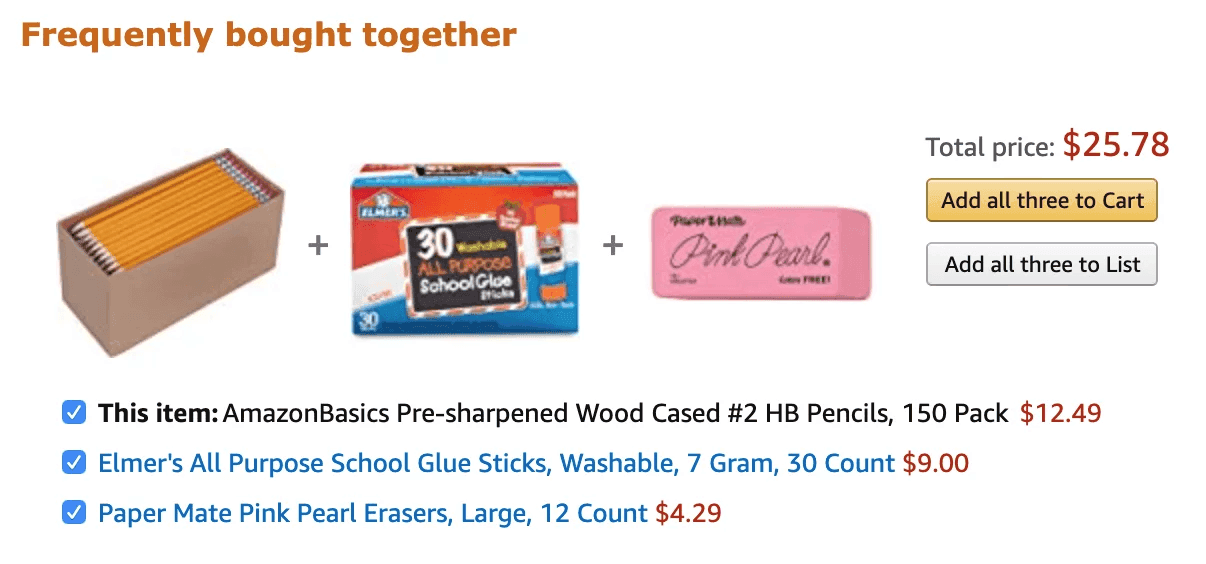
The key insight is that good bundles aren't about packaging things that are convenient for you to sell together. They're about what your customers naturally want together, and AI can surface those patterns from your own order data.
Making It Work on Shopify: Two Tools Worth Knowing
Understanding the strategies is one thing. Having the right infrastructure to execute them is another. Two tools that help Shopify merchants put this into practice are worth highlighting.
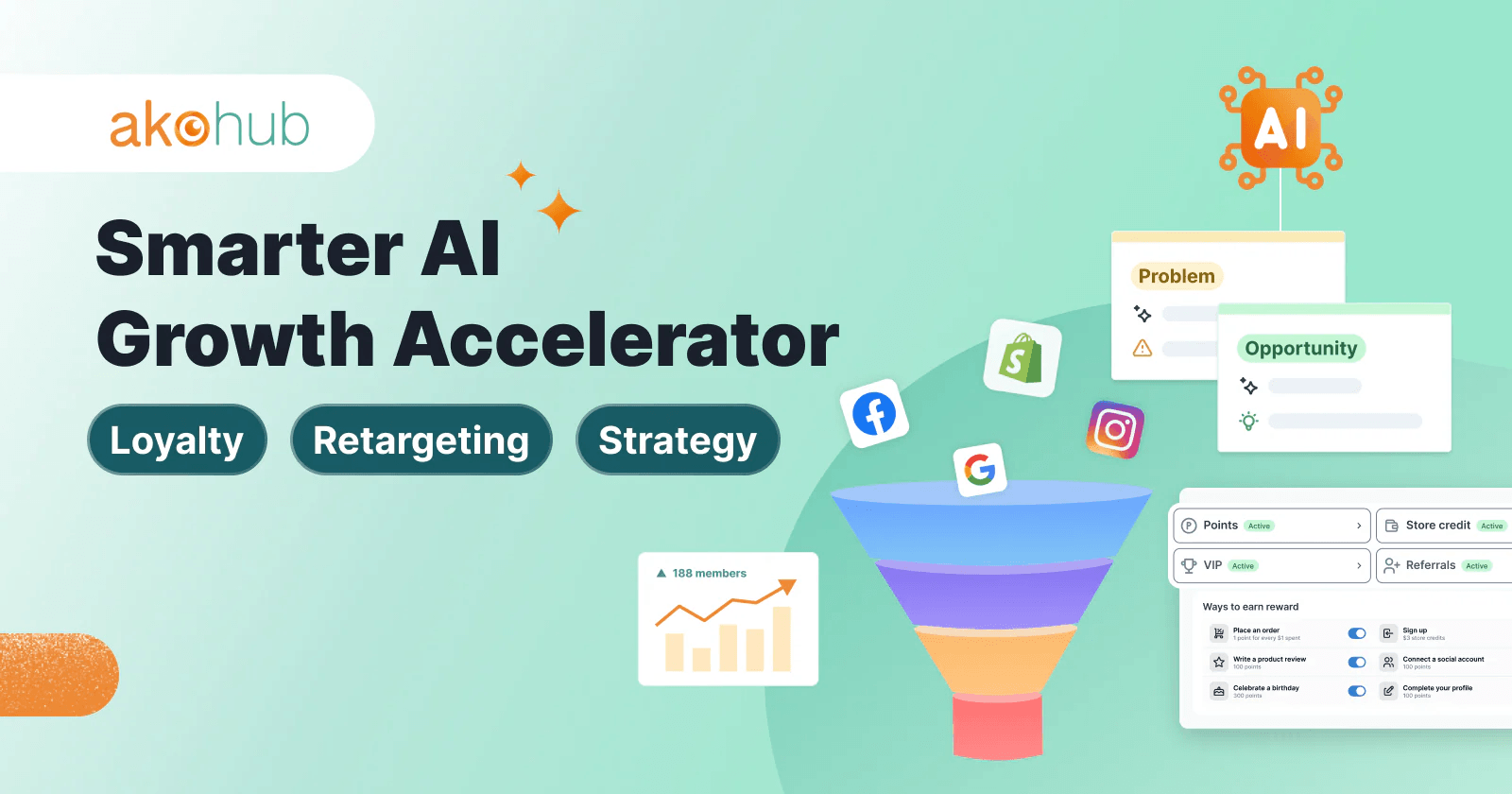
Akohub is an AI-powered marketing platform that combines loyalty points, VIP tiers, store credits, and referral programs with an intelligence layer that actually tells you what to do with them. Each week, Akohub's AI analyzes your store data and surfaces specific recommendations, flagging problems and opportunities you might have missed. It also connects directly to your Meta and Google ad accounts, letting you run retargeting campaigns with personalized incentives without leaving the platform. For tiered discount strategies in particular, Akohub's unlimited VIP tiers let you replicate the Sephora-style model at a Shopify store scale, rewarding different customer segments differently and pushing people toward the next level. Merchants using Akohub report higher customer lifetime value on average, which reflects what happens when discounts and rewards are applied intelligently rather than broadly.
Nova Multiple Variant Images addresses a different but equally important problem: promotions only convert if your product pages can close the deal. If you sell products with multiple color, material, or finish options, the default Shopify experience dumps every variant's images into one gallery, which creates confusion right at the moment a customer is deciding whether to buy. Nova fixes this by automatically showing only the images, videos, and 3D models assigned to whichever variant a customer has selected. It's built on Shopify's native metafield system so it doesn't slow your store down, and it works with every major theme without any code required. When customers can see exactly what they're buying, bundle promotions and upsells convert at higher rates because the doubt is removed before they even reach checkout.
The Common Thread
Whether you look at Amazon's dynamic pricing, Nike's personalized flash sales, or Sephora's tier-based rewards, the pattern is the same: the brands winning at promotions are the ones using data to make every offer feel like it was designed for the customer receiving it. The discount itself is almost secondary. What matters is the relevance, the timing, and the experience around it.
AI makes that level of personalization possible for stores of any size. The merchants who figure this out early will build the kind of customer relationships that don't depend on whoever is running the biggest sale this week.
Ready to put these strategies into action? Explore Akohub for AI-powered loyalty and retargeting, and check out Nova Multiple Variant Images to make every product page work harder for you.